
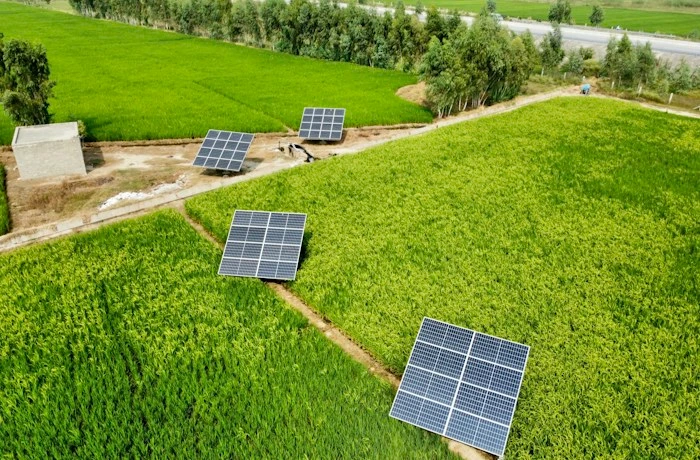
For businesses across Pakistan, electricity is more than a monthly expense. Reliable energy is essential for keeping offices, machinery, cooling systems, production lines, warehouses, and commercial facilities operating.
As energy costs become an increasingly important part of business expenses, more companies are considering solar power as a way to generate electricity on-site and improve long-term energy management.
Lower Operating Costs
One of the main reasons businesses consider solar is the potential to reduce their dependence on grid electricity.
A commercial or industrial solar system can generate electricity during daylight hours, allowing a business to use its own solar power instead of purchasing the same amount of electricity from the grid.
Over the long term, reducing electricity purchases can help businesses manage operating expenses.
Solar for Offices and Commercial Buildings
Offices, shopping plazas, retail stores, hospitals, schools, and other commercial properties often have large rooftops or unused areas suitable for solar panels.
A commercial solar system can be designed around the building’s electricity consumption and available installation space.
For businesses with significant daytime energy consumption, solar generation can be particularly useful because electricity is being generated while the building is actively operating.
Solar for Factories and Industrial Facilities
Industrial facilities can have much higher energy requirements than typical commercial buildings.
Factories and warehouses may operate machinery, compressors, pumps, ventilation systems, refrigeration equipment, and other high-consumption loads.
Large-scale solar installations can help offset part of this electricity demand. Industrial solar projects can also be designed to make efficient use of factory rooftops, warehouses, and available land.
Improving Energy Independence
Businesses need reliable electricity to maintain productivity. Solar can reduce dependence on the conventional electricity grid by allowing companies to generate part of their energy on-site.
For businesses that require additional backup, solar can also be integrated with battery storage and hybrid systems.
Understanding Solar ROI
The financial return of a commercial solar project depends on factors such as system size, installation cost, electricity consumption, electricity tariffs, solar generation, equipment quality, and financing arrangements.
Instead of using a generic ROI estimate, businesses should have their specific site and electricity usage assessed before making an investment decision.
Quality Equipment Matters
Commercial and industrial solar systems represent a significant investment. Choosing quality panels, inverters, mounting structures, and electrical components can help support reliable long-term performance.
Professional engineering and installation are equally important. A properly designed system should account for structural requirements, electrical loads, safety, shading, orientation, and maintenance.
The Future of Business Energy
Solar is becoming an important component of energy planning for businesses that want greater control over their electricity generation and long-term operating costs.
From small offices to large industrial facilities, the right solar solution can be designed around the specific requirements of each business.
Genesys Power Systems provides commercial and industrial solar solutions across Pakistan, including consultation, system design, installation, commissioning, monitoring, and after-sales support.
Ready to explore solar for your business? Contact Genesys Power Systems for a professional assessment and customised proposal.